JUSTINE TE
"We shape our buildings and afterwards, our buildings shape us."
- Winston Churchill
P R O J E C T 1 B - Analysis Presentation Board
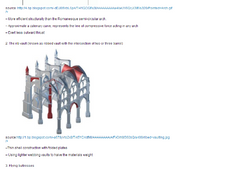
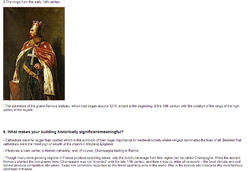
Students were requested to produce an analysis presentation board consists of illustrative and abstractive diagrams, drawings and text. The drawings should include actual and conceptual design ideas of floor plans, building sections, analysis diagrams and sketches expressing clarity and in-depth investigation of the precedent studies. The presentation board has to be composed on one A2 board and strictly hand-drawn and hand-written. Precedent study analysis is compulsory for students to include in their board and as for the illustration of precedent study analysis in relation to the series of building conceptual elements I have chosen to do the first and last questions which is about the concept and architecture analysis (Architects and/or building concepts and architecture style) and culminates and summarizes (gesture, essence, dominant idea, salient characteristic of the building).

 |  |
|---|---|
 |  |
 |  |
 |  |
 |  |
 |  |
 |  |
 |  |
 |  |
 |  |
 |  |
P R O J E C T 1 C - 3D Abstraction Model
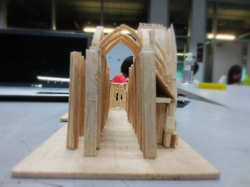
In this task, students have to create an abstraction model to communicate their precedent and conceptual analysis. Our model should be in the form of 2-Dimensional abstraction expressing the building significant Parti of the model studies and conceptual analysis. Model have to communicate the important structure and components, as well as the creative and innovative ideas and concepts.
My group mates and I decided to do our model with the combination of an axonometric and sectional projection. It is a projection from the plan and because we doesn’t want it to be enclose so we decided to do section of the building. Besides that, we keep the west façade of Reims Cathedral because it is the one of the important structure of the building. Other elements such as flying buttresses, ribbed vaults, pointed arch, rose windows, stained glasses and pinnacles.


 |  |
|---|---|
 |  |
 |  |
 |  |
 |  |
 |  |
 |
F I N A L M O D E L
P R O G R E S S
P R E S E N T A T I O N B O A R D
N O T R E - D A M E D E R E I M S
P R O J E C T - Precedent Study Analysis
This project focuses on investigating historical works to enrich architectural design and ideas. Through the study of existing buildings, students are able to communicate and expand their own architectural vocabulary and develop design concepts. Students were required to form a group of 4 to conduct precedent study analysis on specific building through drawing, model-making, online forum discussion and verbal presentation. This precedent study analysis should help clarify the research question of what is the reason or purpose that specific building is historically, culturally and architecturally importance and how does the design concepts derived from that particular building can be developed and expanded to be creatively and innovatively integrated into their studio 1 design project. This project has been divided into 3 different sessions.
N O T R E - D A M E D E R E I M S.
P R O J E C T 1 A - Online Forum Discussions
This On-line group forum was used in this exercise as an effective virtual learning discussion platform for students to work as a team to help each other in exploring the precedent studies of a chosen building with cultural, historical and architectural significances. Through the active on-line discussion forum, students were able to exchange views, share and debate the knowledge derived from the precedent studies to best grasp as well as to encourage a comprehensive analysis of the underlying conceptual ideas of the building. The purpose of this on-line forum discussion is to prepare students for their verbal presentation during critic session in studio class. We were required to gather architectural information and have a deep understanding of the building systems at work, as well as recognize the series of important elements that realize design aspects of the building. Each group were given a historical building for this project. Therefore, the historical building that was given to us was Notre-Dame De Reims.
We were required to do our research and discussion according to the questions below:
-
Who is the architect or founder of the building?
-
Where and when was the building built?
-
What is the form, or shape of the building?
-
What is the function or purpose of the building?
-
What materials/method are used for construction?
-
What makes your building historically significant/meaningful?
O V E R A L L
Throughout this project, I have learned to be creative and innovative and I am able to expand the design concept derived from the precedent study analysis. I am able to produce building analysis which document intentions, concepts, patterns, disciplines, architectural language and contextual relationships. Besides that, I learned to produce graphical development, expansion and elaboration of intentions, concepts, patterns, disciplines, architectural language and contextual relationships as integration to design project. I have a deeper understanding on the historical building that was given to my group. I also gained a lot of knowledge such as the building concepts, structure and style when I was doing research on my building. On top of that, I also improved my model making and drawing skills. Along this subject, I am able to recognize and recall appropriate verbal architectural vocabulary when referring to building types, style and period. Lastly, be able to exemplify, classify and compare the sequence of historical periods and how they are presented architecturally.
© 2014 by JUSTINE TE. All Right Reserved.
Bachelor of Science (Hons) in Architecture
Taylor's University Lakeside Campus

